Looking for furniture that won’t break the bank but still looks good? This guide points you to where to shop in Singapore and how to pick out the best budget-friendly pieces so you get real value every time you buy.
We’ll show you some trusted shops—from big-name budget stores to quirky secondhand spots. There’s advice on judging quality, picking the right size, and spotting clever multifunctional designs before you commit.
Want to avoid the classic mistakes, dodge sneaky delivery fees, or make your tiny flat feel bigger? That’s all in here too.
There’s no need to overthink it; you’ll find practical comparisons and simple rules for matching style, durability, and price to your space.
Best Affordable Furniture Stores in Singapore
This guide rounds up good picks for anyone on a budget. There are online platforms with endless choices and deals, classic retailers where you can test things out, and thrift shops for one-of-a-kind bargains.
Online Furniture Shopping Advantages
Shopping online lets you scan thousands of listings in minutes, filtering by whatever matters—size, price, style. HipVan and FortyTwo have massive catalogs and those tempting flash sales, while Castlery’s got discounted floor models if you’re quick.
Delivery and assembly options pop up at checkout, but watch out for fees and long waits. Promo codes and payment plans can ease the sting—keep an eye out for those limited-time sales or bank promotions.
Check product pages for dimensions, materials, and user photos—it helps to know what you’re really getting. Always read the return, warranty, and exchange policies, and measure your doorways before clicking “buy.” Saves a lot of hassle later.
Popular Local and International Retailers
IKEA and Courts are still the go-to for affordable essentials and small-space solutions. IKEA’s flat-pack stuff is everywhere for a reason—think mattresses, storage, modular systems.
Castlery and Harvey Norman hit that sweet spot between budget and quality, especially during sales. Choice Furniture and Comfort Design Furniture cover the basics—beds, dining sets—without making your wallet cry.
FortyTwo and Furniture SG work as multi-brand hubs, great for comparing nearly identical items at different prices. The Reject Shop and Born In Colour sometimes have huge markdowns on slightly imperfect or clearance stock, if you don’t mind a little quirk.
Sustainable and Secondhand Options
Secondhand shops and refurbishers are worth a look if you want to save and add some personality. Hock Siong & Co. and Second Charm (sometimes called Gamar/Second Charm) sell reclaimed hotel and vintage pieces—solid timber beds, unique cabinets, that sort of thing.
Thrift and clearance stores often post their stock online now. The Reject Shop curates factory seconds, while Soul & Tables and boutique refurbishers fix up old pieces for resale.
If you’re buying used, check the joints, drawer slides, and mattress hygiene. Ask about any repairs and how you’ll get it home. Used stuff sometimes needs a little work, but you can get better materials and more character for less than you’d pay new.
Choosing the Right Pieces and Getting the Best Value
Materials, intended use, total cost—think price, delivery, warranties. Prioritize stuff that solves everyday needs like storage, comfort, or squeezing more out of a small space. That way, every dollar works harder.
Quality and Durability Factors
Before buying, take a close look at construction. Solid hardwood frames, corner-blocked joints, and metal brackets usually mean your sofa or sideboard will last. For anything upholstered, check for high-density foam or pocket springs and, if you can, ask about fabric abrasion ratings.
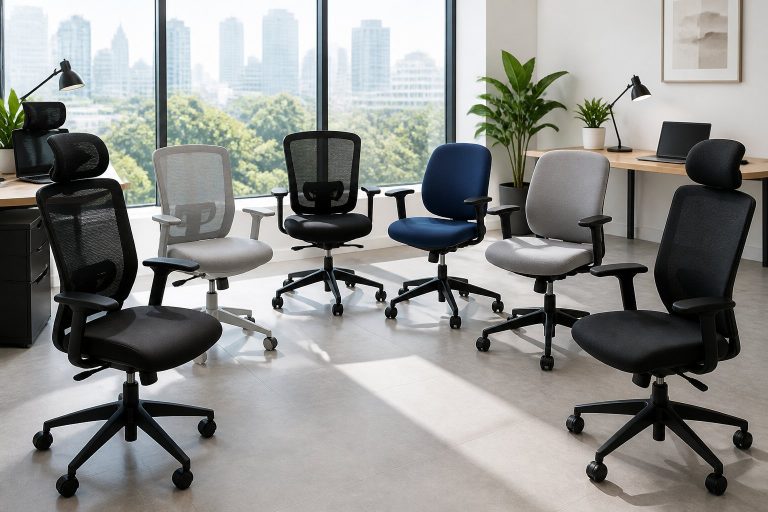
Posture’s not just for the office—good seating should have lumbar support and reliable mechanisms. Brands with Postureflex-style systems often list load ratings and warranty details, which is handy.
Pay attention to finishes if your table or sideboard will see a lot of action. Moisture and scratch resistance matter. Hardware counts too: soft-close drawers, stainless steel legs, and powder-coated metal don’t rust as fast in Singapore’s humidity. Sometimes, spending a bit more up front saves you from replacing things every year.
Design Trends and Key Furniture Items
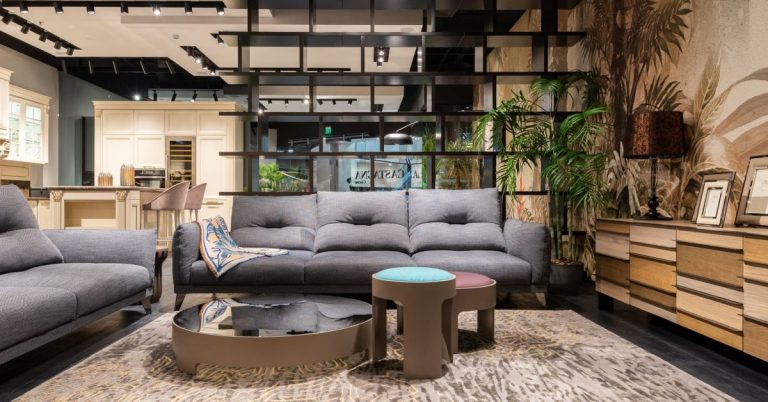
Multifunctional pieces are a lifesaver in small Singapore homes. Modular sofas, beds with storage, and compact sideboards can really stretch your space. Neutral colors—greys, beiges, muted woods—are timeless, but a bit of texture (bouclé, rattan) keeps things interesting without looking dated too fast.
When you’re picking a sideboard, check if the shelves move and if there are cable holes for media stuff. For chairs and sofas, seat depth and arm height should fit whoever’s using them most. Lately, slim frames and raised legs are in—they make rooms feel bigger. Always measure your doors and think about how you’ll get things inside. There’s nothing worse than a sofa that won’t fit through the lift.
Delivery Services and After-Sales Support
It’s smart to compare delivery fees, lead times, and assembly options from different retailers. Some places toss in free delivery if you hit a certain spend, while others tack on charges based on distance or the size of your order.
Double-check if the shop offers white-glove assembly, or if they’re just dropping the box at your door and calling it a day. The difference can be a lifesaver, especially if you hate fiddling with Allen keys.
Warranty and return policies? They’re all over the map. Try to get at least a 1-year structural warranty on frames, and see if there’s a straightforward way to report defects—usually within 7 to 14 days.
Don’t forget to ask about spare-part availability for things like mechanisms or cushions. Some retailers even let you trial a mattress or sofa at home, which honestly seems like a no-brainer if you’re picky about comfort.
Most shops in Singapore post these terms online, so it’s worth a quick look before you hit checkout. Saves you from nasty surprises or delays later on.